Sewer line projects can be daunting. Whether you are dealing with a cracked sewer pipe, a collapsed sewer line, or simply the wear and tear of aging pipes, understanding the nuances of your project can save you time, money, and stress. A thoughtful approach not only ensures the job is done correctly but also minimizes disruption to your property. This guide offers a comprehensive checklist that can help you navigate any sewer line project effectively.
Understanding Your Sewer System
Before diving into repairs or replacements, take a moment to understand how your sewer system works. Familiarize yourself with the layout of your underground infrastructure. Knowing where your main sewer line runs and its connection points to other plumbing systems is critical. If possible, obtain a schematic from local authorities or utilize services that provide detailed mapping of existing piping systems.
As you assess your system, keep an eye out for common signs of sewer line failure. These include slow drains, Additional resources recurring clogs, unusual gurgling sounds in pipes, and wet spots in your yard that could indicate leaks. Recognizing these symptoms early can prevent more extensive damage down the line.
Assessing the Damage
Once you have a solid understanding of your sewer system's layout, it’s time to assess any damage. Inspect visible areas for leaks or cracks and consider hiring a professional for an internal inspection using camera technology. This non-destructive method allows for a comprehensive view of the pipe's condition without needing to dig up large sections of your yard.
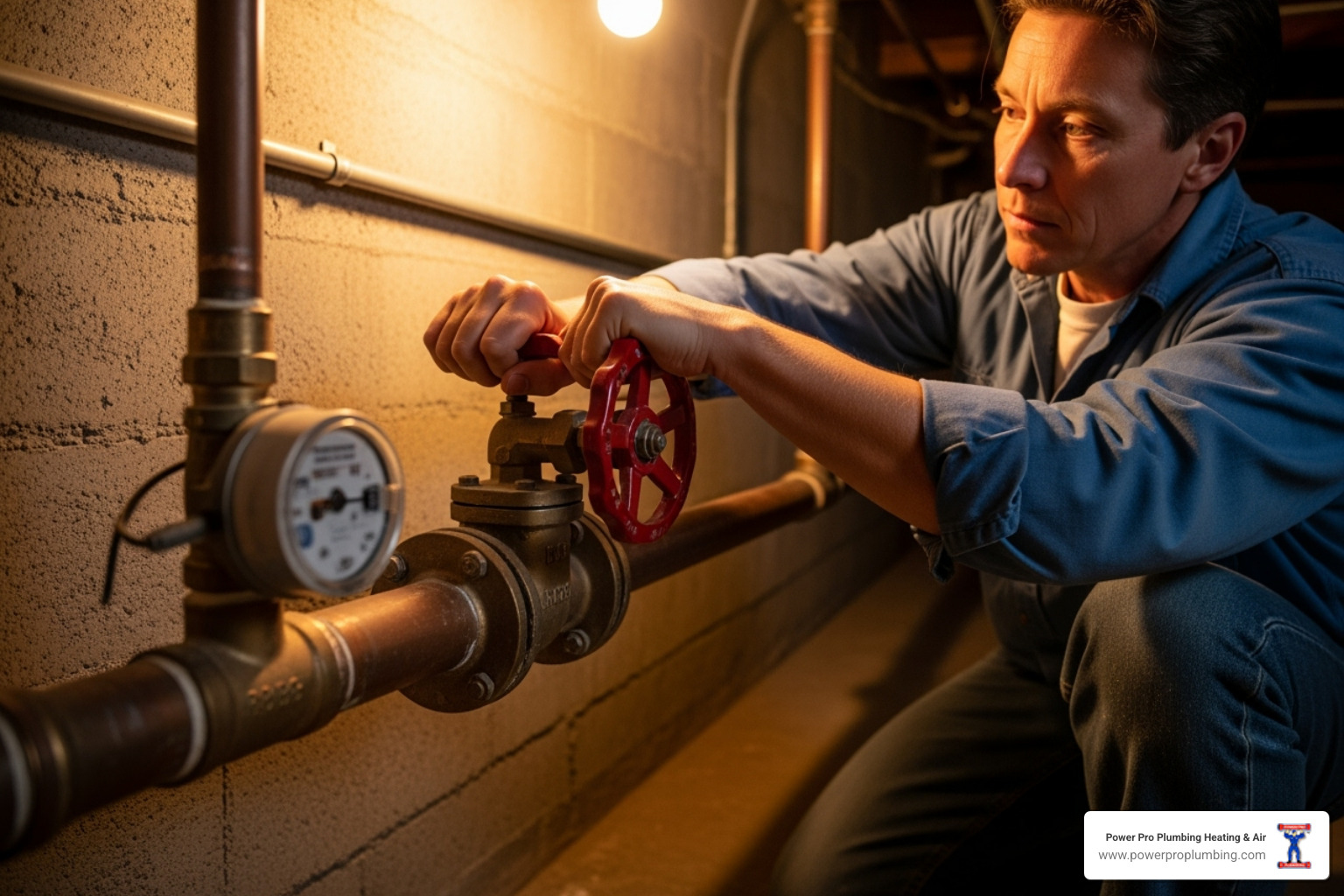
If you find significant corrosion or deterioration, weigh your options carefully. For pipes with minor issues like small cracks or leaks, trenchless pipe repair methods such as cured-in-place pipe lining (CIPP) may be viable solutions. These techniques allow for repairs without extensive digging and disruption to your landscaping.
Planning Your Approach
With an assessment in hand, planning becomes crucial. Decide if you will tackle the project yourself or hire professionals. If choosing DIY methods, ensure you have all necessary tools and materials ready before starting—this includes everything from safety gear to specialized plumbing tools.
Consider factors such as:
- Location: Certain areas may require permits or inspections before work begins. Soil Conditions: Understanding soil type influences how easily you can dig and whether trenchless solutions are feasible. Access Points: Determine where access to pipes is easiest; this might save significant labor costs if you're hiring contractors.
Sometimes hiring experts for tasks like trenchless plumbing repair proves more efficient than attempting repairs alone. Experienced plumbers bring knowledge about local codes and best practices that can save mistakes—and money—in the long run.
Budget Considerations
Financial planning is essential when starting any sewer line project. Costs can vary significantly based on factors like pipe material, length of repair needed, and whether trenchless services are utilized versus traditional digging methods.
Outline potential expenses clearly:
Materials: Consider costs related to piping materials (PVC vs cast iron), sealants used in repairs, or equipment rental. Labor: If you're hiring professionals, get multiple estimates before making decisions. Permits/Inspections: Some municipalities require permits for sewer work; factor these into your budget. Contingency Funds: Always set aside at least 10%-20% of your total budget for unforeseen expenses.Maintaining transparency about costs helps avoid confusion later on and ensures everyone involved understands financial commitments upfront.
Selecting the Right Repair Method
Choosing between various repair methods depends largely on the nature of the damage assessed earlier:
- Traditional Dig-and-Replace: Suitable for severely damaged sections but highly disruptive. Trenchless Pipe Repair: Minimally invasive option ideal for moderate issues like small cracks or leaks that don’t compromise structural integrity. Pipe Lining Services: Useful for restoring older pipes without replacement; involves pulling new liner through existing pipelines which hardens into place.
Evaluate each method considering both long-term durability and initial investment required. While trenchless options may seem more costly upfront due to technology use, they often yield lower lifetime maintenance costs due to their resilience against future damage.
Preparing Your Property
Once you've selected a method for repair or replacement, prepare your property accordingly:
Clear Access Points: Ensure workers have unobstructed access by moving outdoor furniture or landscaping features away from work areas. Notify Neighbors: Communicate openly about potential disruptions they may experience during repair efforts—this builds goodwill and avoids complaints later. Secure Utilities: Contact local utility companies beforehand so they can mark underground lines potentially affected by digging operations.Preparation mitigates frustrations during repairs while also protecting valuable items on-site from unintentional damage caused by equipment movement.
Executing the Project
During execution:
- Supervise work closely if possible; check regularly on progress especially when it comes time for inspections if required. Maintain communication channels open between all parties involved including contractors/plumbers hired so everyone stays aligned throughout process timelines established earlier.
Be prepared for adjustments along the way—unexpected challenges often arise suddenly during complex projects like sewer line repairs leading back into budgeting concerns mentioned previously too!
Post-repair Follow-ups
After completing the project successfully:
Conduct thorough inspections again post-work completion ensuring nothing was overlooked initially—check connections made after installation too as leaking could still occur here!2 . Keep records handy detailing what was done including photographs showing before & after conditions—these serve useful references should similar issues arise later down road again requiring potential fixes sooner rather than later!
3 . Schedule regular maintenance checks (every few years) just like routine car servicing helps prolong life expectancy while catching problems early preventing larger scale issues down road unexpectedly cropping up again!
By adhering strictly to this ultimate checklist prior initiating any sewer line projects – whether big small – you'll position yourself better handle whatever comes way confidently knowing prepared throughout entire process efficiently reducing risks associated typically seen otherwise unprepared situations arise unexpectedly!