The integrity of underground pipelines is crucial for maintaining the functionality of urban infrastructure. As infrastructure ages, the risk of failure increases, leading to costly repairs and service disruptions. Understanding the science behind pipeline rehabilitation methods can help property owners and municipalities make informed decisions when faced with issues such as cracked sewer pipes, leaking drain pipes, or even a collapsed sewer line.
Modern trenchless technology has revolutionized the way we approach pipeline repair. Traditional excavation methods are often invasive, time-consuming, and expensive. In contrast, trenchless pipe repair techniques minimize disruption while delivering effective solutions to a range of pipeline problems. Among these techniques, cured-in-place pipe lining (CIPP) stands out as one of the most promising.
The Challenges of Aging Infrastructure
Aging sewer pipes present numerous challenges for property owners and municipalities alike. Over time, factors such as soil movement, corrosion, and tree root intrusion can cause significant damage to underground pipes. These conditions can lead to sewer pipe leaks or even complete failure if not addressed promptly.
Identifying signs of sewer line failure is critical for mitigating further damage. Some common indicators include:
- Unexplained wet spots in your yard Foul odors near sewer access points Slow draining fixtures within the home Gurgling sounds in sinks or toilets
Prompt intervention is essential because neglected issues can escalate into major repairs that compromise both public safety and environmental health.
Trenchless Technology: A Game Changer
Trenchless technology encompasses a variety of methods designed to repair pipelines without extensive excavation. This approach minimizes surface disruption and reduces overall project time. Two noteworthy trenchless techniques are pipe bursting and cured-in-place pipe lining.
Pipe Bursting
Pipe bursting involves breaking apart existing damaged pipes while simultaneously replacing them with new ones. An expansive bursting head is inserted into the old pipe through small access points dug at either end. As it moves forward, the old pipe shatters while a new pipe is pulled into place behind it.
This method is particularly effective for severely damaged or collapsed sewer lines that require complete replacement rather than repair. However, due to its invasive nature compared to other trenchless methods, it may not always be the first choice for less severe issues.
Cured-in-Place Pipe Lining (CIPP)
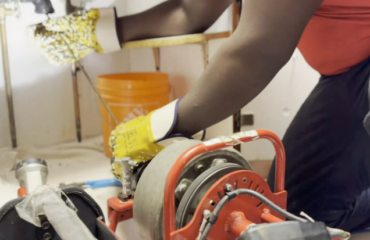
CIPP has gained popularity due to its effectiveness in rehabilitating aging pipelines with minimal disturbance to surrounding areas. The process begins by cleaning the interior of the damaged pipe using high-pressure water jets or mechanical scrubbing devices. Once cleaned, a flexible liner saturated with epoxy resin is inserted into the existing pipe.
After placement, hot water or steam cures the resin over several hours until it hardens into a durable structural layer inside the existing pipeline. This method not only restores flow capacity but also provides additional protection against future corrosion or leaks.
One key advantage of CIPP is its adaptability; it can be used on various types of underground pipes including clay, PVC, and cast iron—making it suitable for many residential and commercial applications.
The Science Behind CIPP
Cured-in-place pipe lining relies on advanced materials and chemical processes that contribute to its effectiveness as a rehabilitation method.
Material Composition
The liners used in CIPP are typically made from fiberglass or polyester felt fabric infused with thermosetting resins like epoxy or vinyl ester. These materials are chosen for their durability and resistance to chemical degradation over time.
The curing process involves heating these resins until they reach a state where they bond together at a molecular level—creating an incredibly strong structure capable of handling pressure from both internal flow and external earth loads.
Flow Dynamics
By restoring smooth surfaces within pipelines through CIPP installation, flow dynamics improve significantly compared to older systems where corrosion might have created rough patches that impede water movement. This restoration leads not only to improved drainage but also contributes positively toward reducing energy costs associated with pumping systems in larger municipal networks.
Cost Considerations: Balancing Quality and Affordability
While trenchless technologies like CIPP can appear more expensive upfront than traditional methods due primarily to material costs involved—long-term savings often outweigh initial investments when considering reduced labor expenses associated with less site disruption along with potential decreases in future maintenance needs.
Municipalities should also factor in downtime costs during any rehabilitation project; minimizing surface disruption means less impact on traffic patterns which ultimately results in smoother day-to-day operations overall.
In some cases insurance policies may cover portions of rehabilitation work depending on specific plan details related directly back damages caused by aging infrastructure – making thorough research imperative before making decisions regarding funding sources available locally.
Environmental Impact: A Greener Approach
Traditional excavation methods disrupt landscapes significantly; resulting dirt piles alongside roadsides increase erosion risks while creating additional waste management concerns which must be addressed afterward by local authorities responsible for maintaining public spaces after construction ends—all this while potentially harming wildlife habitats surrounding work sites too!
Conversely CIPP technology generates far less waste since no large trenches need digging nor filling back once repairs completed thus contributing positively toward eco-friendly practices sought after today across industries worldwide including construction efforts aimed at improving urban living conditions sustainably moving forward into our future generations’ hands!
Real-World Applications: Success Stories
Several municipalities have successfully implemented trenchless rehabilitation techniques like CIPP leading them toward improved infrastructure reliability alongside cost savings realized over time thanks directly back successful completion projects executed smoothly without unnecessary complications arising throughout processes undertaken during work phases completed efficiently around tight schedules agreed upon beforehand between contractors involved all parties concerned working together harmoniously united shared goals achieved collectively culminating desired outcomes reached satisfactorily fulfilling needs expected originally outlined initially set forth beforehand prior beginning stages undertaken diligently each step taken methodically ensuring quality maintained throughout entire endeavor embarked upon jointly pursuing best possible solutions discovered tried tested previously explored thoroughly vetted carefully https://thepleasantplumbermn.com/ selected chosen wisely implemented effectively serving communities well meeting their demands effectively addressing concerns raised proactively handled efficiently managed ensuring satisfaction derived confidently validated afterward demonstrating worthiness chosen paths embraced wholeheartedly accepted without hesitation whatsoever acknowledging benefits experienced firsthand gained through collaboration efforts engaged heavily invested resources put forth undertaking initiatives inspired driven dedicated achieving success dreamed about obtained ultimately reaching intended destinations sought after relentlessly pursued tirelessly striving excellence upheld consistently delivered reliably performed consistently maintained meticulously overseen diligently monitored closely tracked evaluated rigorously employing metrics established measuring progress attained verified meeting expectations agreed upon initially laid groundwork solid foundation built trust established strengthening relationships forged enduring partnerships formed growing stronger united aspirations realized ultimately culminating accomplishments celebrated joyfully shared pride within communities served uplifting spirits fostering sense belonging among residents living thriving neighborhoods enriched lives overall improving quality life experienced daily basis enjoyed widely embraced wholeheartedly welcomed open arms…
Looking Ahead: Innovations on the Horizon
As technology continues evolving rapidly so too will methodologies employed tackling ever-changing cracked sewer pipe repair challenges presented by deteriorating infrastructures faced globally now more than ever! Emerging trends indicate promising possibilities including development smart sensors integrated directly into pipelines providing real-time monitoring capabilities allowing swift responses detected anomalies preventing catastrophic failures before occur enhancing preventative measures taken safeguarding investments made protecting interests involved therein all parties implicated ensuring sustainability longevity achieved preserving resources precious planet entrusted care stewardship passed down generations yet unborn…
In summary embracing advancements paving pathways towards brighter futures filled hope resilience determination leaving legacy behind inspire others follow footsteps laid before them journey begun long ago still ongoing guided principles rooted innovation creativity passion unwavering commitment seeking excellence continually striving improve lives everywhere touched experience shared enriched uplifted transformed better tomorrow awaits us all!